
Buy Salvia Divinorum Tincture Online
Price range: $80.00 through $180.00
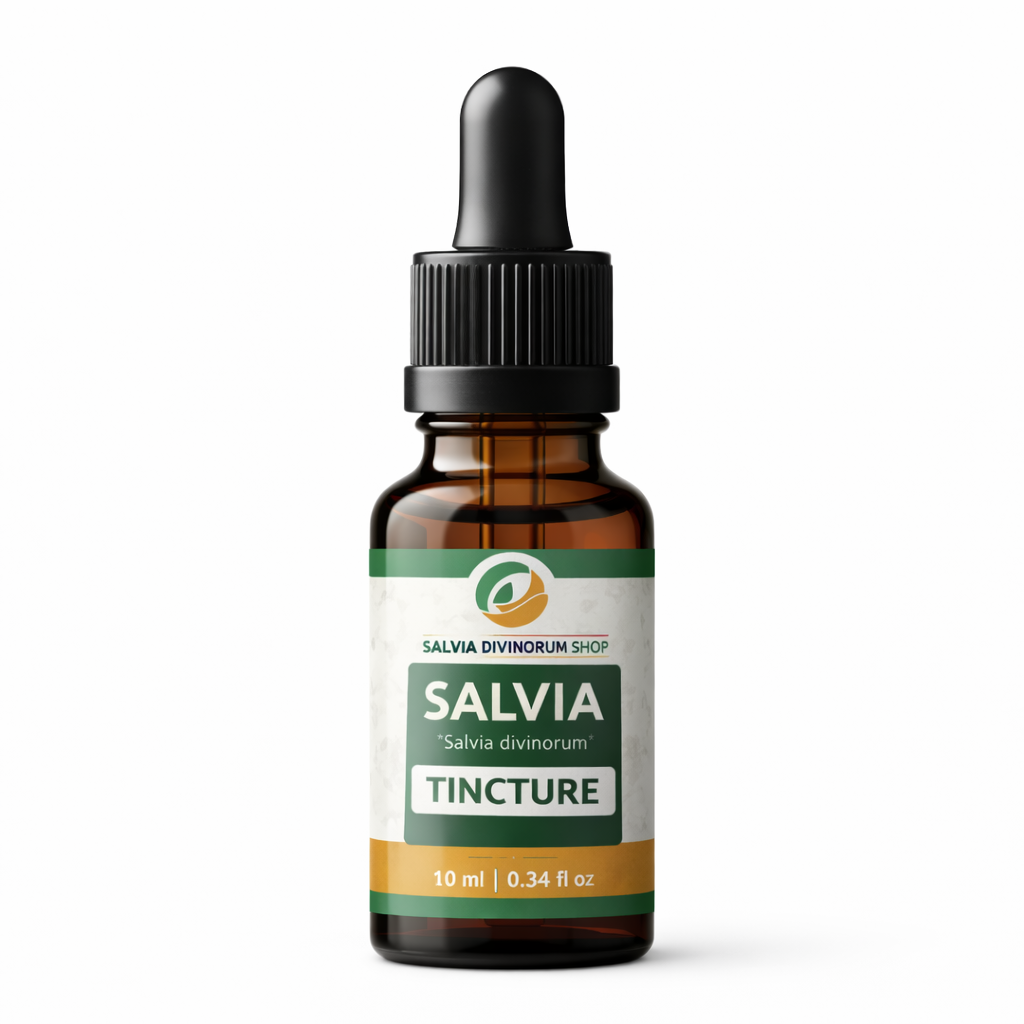
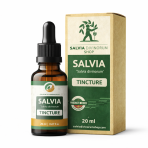
Salvia Divinorum Tincture presented as a liquid botanical preparation. This format highlights physical form differences without altering plant identity.
Salvia Divinorum Tincture: The Essential Guide to Liquid Botanical Preparations
Salvia divinorum tincture is a liquid botanical preparation made by steeping or infusing dried Salvia divinorum leaf material in a solvent, typically high-proof alcohol (e.g., ethanol like Everclear), to extract and dissolve the plant’s constituents—including the primary active compound salvinorin A—into a stable liquid form.
This results in a dark, often greenish-brown solution with no visible plant structure. Unlike dried leaves or powder (which retain solid form) or concentrated extracts (which amplify salvinorin A levels), tinctures primarily change the physical presentation to liquid for easier handling, sublingual application, or reference. Salvinorin A has limited solubility in alcohol, so tinctures generally achieve modest extraction efficiency compared to solvent-based concentrates—potency remains closer to natural leaf levels (typically 1–5 mg salvinorin A per ml in strong homemade/commercial versions, depending on leaf quality and ratio) rather than the high amplification seen in labeled extracts (e.g., 10x–100x).
Note on potency variability: Tinctures are not standardized; actual salvinorin A concentration varies widely based on leaf content (natural dried leaves: 0.89–3.7 mg/g, average ~1.5–2.5 mg/g), solvent strength, steeping time, and preparation method. Commercial or homemade tinctures often aim for sublingual usability but do not match the extreme concentration of fortified extracts. Many users report tinctures provide a slower-onset, longer-duration experience (5–10 min onset, up to 2 hours) when held under the tongue, but effects can be unreliable due to poor solubility.
What Is Salvia Divinorum Tincture?
Salvia divinorum tincture is created by macerating (soaking) dried leaves in alcohol or another solvent to transfer soluble compounds into liquid form. The process filters out solid residue, leaving a clear-to-opaque liquid.
This format preserves the plant’s natural chemistry without intentional concentration—it’s an infusion rather than an extraction for amplification. Tinctures are commonly used for botanical reference, precise dosing discussions, or sublingual application in research contexts.
Why Salvia Divinorum Tincture Matters
Tinctures offer a distinct presentation:
- Liquid Stability — Enables consistent observation of color, clarity, and shelf life.
- Processing Insight — Illustrates solvent-based botanical methods.
- Reference Value — Useful for educators, researchers, and collectors comparing forms.
- No Structural Retention — Differs from solids, highlighting transformation without enhancement.
It occupies a unique niche as a liquid botanical solution in the salvia spectrum.
How Salvia Divinorum Tincture Differs From Other Forms
Key distinctions for clarity:
- Tincture — Liquid infusion; physical form change; modest extraction (salvinorin A solubility-limited).
- Dried Leaves — Whole or crushed solid; baseline natural structure and potency.
- Powder — Ground solid; texture alteration only; same chemistry as leaves.
- Extracts — Concentrated (e.g., 5x–100x); chemical amplification of salvinorin A via solvent evaporation and fortification.
Tinctures bridge infusion and solid forms—liquid but not highly concentrated.
Key Features & Insights
| Topic | High-Value Insight |
|---|---|
| Source Material | Derived from mature, dried Salvia divinorum leaves |
| Physical Form | Liquid solution; no visible leaf structure |
| Processing Type | Infusion/steeping in alcohol or solvent |
| Visual Identity | Color and clarity vary (often dark greenish-brown) |
| Stability | Consistent when stored properly (cool, dark place) |
| Reference Value | Useful for discussing botanical formats and preparations |
Common Misconceptions
Frequent errors include:
- Assuming tincture equals a concentrated extract (it doesn’t—concentration is limited).
- Mistaking liquid form for higher potency (effects depend on actual salvinorin A dissolved).
- Viewing appearance (e.g., darkness) as a potency indicator (due to chlorophyll/waxes, not strength).
Clear explanations eliminate confusion.
Related Terms People Encounter
Common phrases:
- Salvia divinorum tincture
- Salvia liquid preparation
- Salvia botanical tincture
- Liquid salvia extract (often misused—true extracts are concentrated)
These help navigate varying online descriptions.
Product Information Table
| Attribute | Details |
|---|---|
| Product Type | Botanical liquid preparation (tincture) |
| Source Material | Dried Salvia divinorum leaves |
| Physical Form | Liquid solution |
| Category | Salvia Divinorum Liquid Products |
| Botanical Name | Salvia divinorum |
| Packaging | Dropper bottle or sealed vial |
| Storage Recommendation | Cool, dark place; away from light/heat |
| Intended Use | Botanical collection and research purposes only |
Frequently Asked Questions (FAQs)
What is Salvia divinorum tincture? A liquid botanical preparation made by infusing salvia leaves in a solvent like alcohol to dissolve plant constituents.
How does a tincture differ from extracts? Tinctures change to liquid form via infusion; extracts concentrate salvinorin A chemically (higher potency per volume).
Does a tincture contain visible plant material? No—the final liquid is filtered, with no leaf structure remaining.
Why do people reference tinctures? They illustrate processing methods, liquid formats, and differences from solids or concentrates.
Is tincture the same as powder or dried leaves? No—each represents a unique physical presentation (liquid vs. solid/ground).
Is Salvia divinorum tincture intended for consumption? No. This product is sold strictly for botanical collection, reference, and research purposes only.
| Types |
10ml ,20ml |
|---|---|
| quantity |
3 ,4 ,5 ,6 |
Related products
Buy Salvia Divinorum 100x Extract Online
Price range: $175.00 through $350.00
Buy Salvia Divinorum 10x Extract Online
Price range: $90.00 through $150.00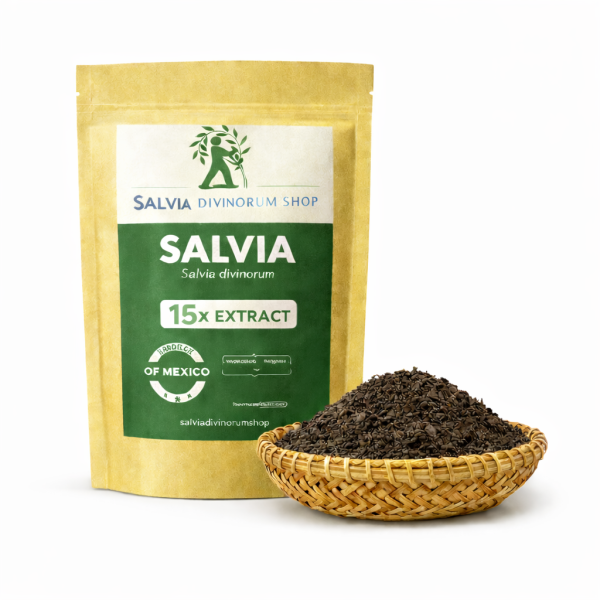
Buy Salvia Divinorum 15x Extract Online
Price range: $90.00 through $180.00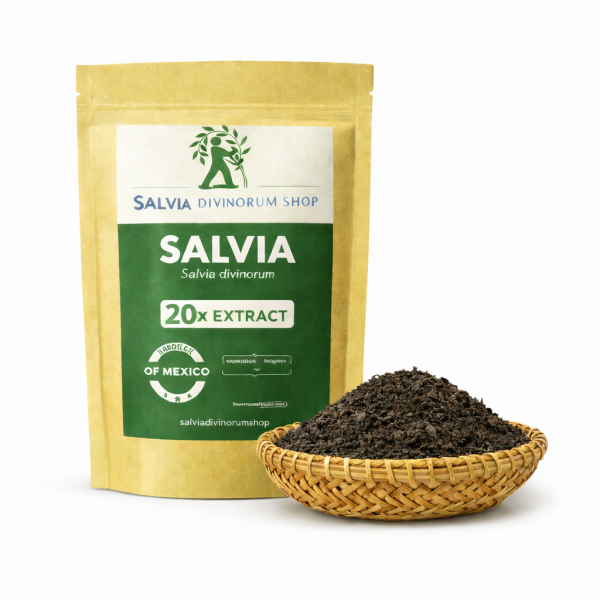
Buy Salvia Divinorum 20x Extract Online
Price range: $100.00 through $200.00
Reviews
There are no reviews yet.